
Why COVID-19 Is Nothing Like the Flu – and Why We Should Take It Seriously
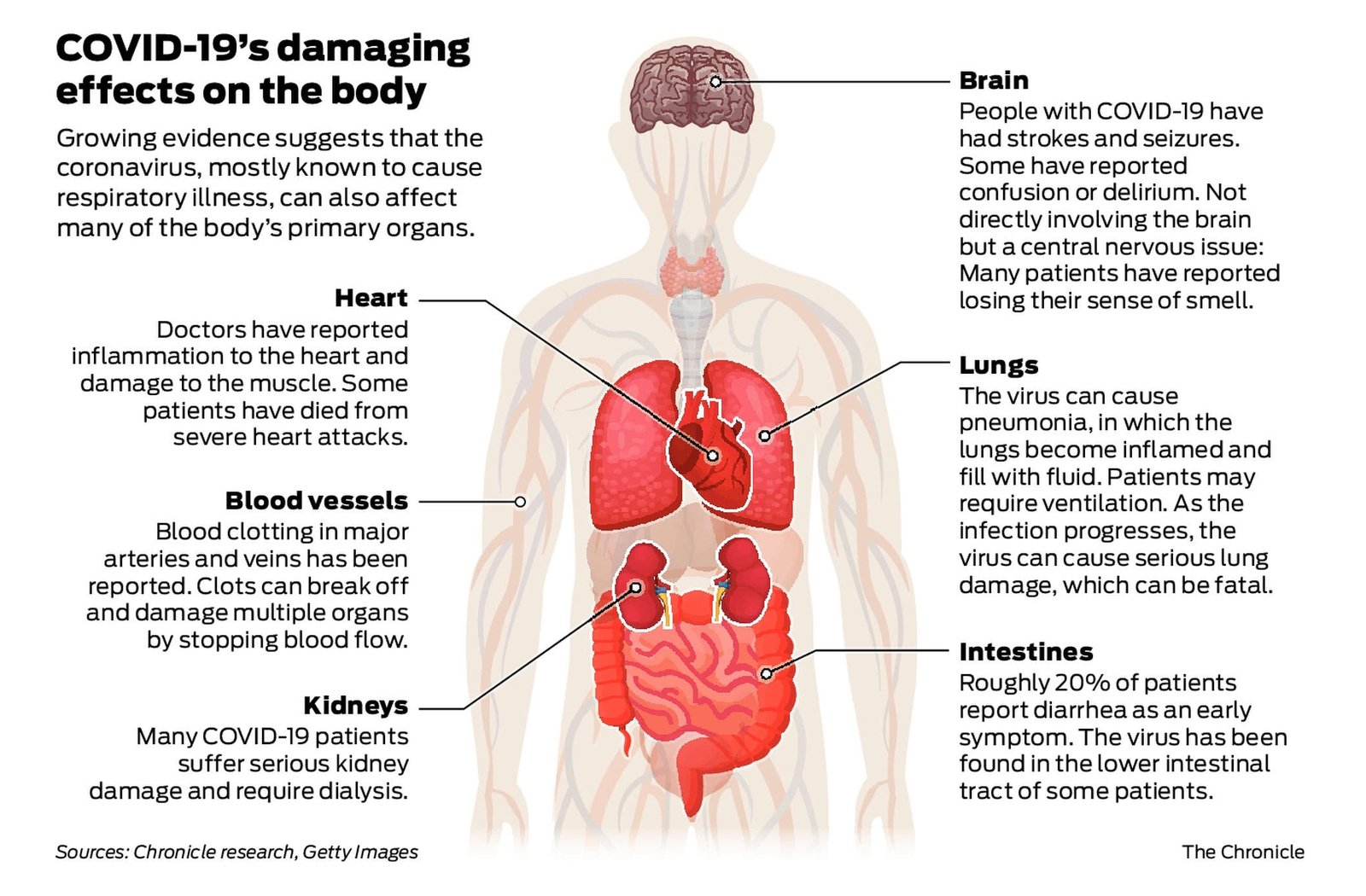
From the early days of the pandemic, COVID-19 was often compared to the flu. While both illnesses share some overlapping symptoms—fever, cough, fatigue—they are fundamentally different in how they affect our bodies, particularly in the long term. COVID-19 isn’t just a respiratory virus; it’s a virus that disrupts multiple systems, wreaking havoc on the immune system, attacking the endothelial cells that line our blood vessels, and leaving lingering effects for months or even years after the initial infection.
Here’s a closer look at why COVID-19 is so different from the flu, and why understanding its unique impact on the body is crucial for both prevention and treatment.
Dysregulation of the Immune System
One of COVID-19’s most concerning effects is its ability to dysregulate the immune system. Unlike the flu, which typically results in an immune response that clears the infection, COVID-19 can lead to an immune system overreaction, sometimes called a “cytokine storm.” This overreaction causes the body to release large amounts of inflammatory proteins, which, rather than controlling the virus, start to damage tissues and organs.
Studies have shown that SARS-CoV-2 (the virus causing COVID-19) can leave the immune system impaired long after the initial infection. In some cases, people experience immune system “exhaustion,” making them more susceptible to other infections. Additionally, COVID-19 can lead to autoimmune reactions, where the immune system mistakenly attacks healthy cells, further complicating recovery and sometimes leading to chronic health issues.
Attacks on Endothelial Cells and Blood Vessels
Unlike the flu, COVID-19 is known to target the endothelial cells that line blood vessels throughout the body. This can lead to widespread inflammation and blood clotting, affecting organs such as the heart, lungs, kidneys, and brain. Blood clots have been observed in COVID-19 patients at alarming rates, with severe consequences, including heart attacks, strokes, and other life-threatening complications.
This vascular damage is part of what sets COVID-19 apart from typical respiratory viruses like the flu. It highlights that COVID-19 isn’t just a respiratory illness—it’s a multi-system disease. The damage to blood vessels can explain the wide range of symptoms seen in COVID-19, from brain fog and organ damage to long-term fatigue and muscle pain.
Long-Term Impact and Post-Acute Sequelae (Long COVID)
One of the most troubling aspects of COVID-19 is its potential to leave people with debilitating symptoms long after the acute phase of the illness. Known as “Long COVID,” these symptoms include severe fatigue, brain fog, muscle and joint pain, loss of smell and taste, and many other issues that can last months or longer. This is something rarely seen with the flu and underscores COVID-19’s unique and insidious nature.
COVID-19’s long-term effects are comparable to other viruses like polio and Ebola, which can also have lingering impacts even after recovery. For example, polio survivors may experience post-polio syndrome years later, and Ebola survivors often deal with joint pain, eye issues, and chronic fatigue. COVID-19’s ability to cause similar long-term complications shows that it’s not just another seasonal illness, but a virus capable of lasting harm.
Comparing Acute Symptoms: COVID-19 vs. Other Viruses
Although COVID-19 may start with flu-like symptoms—fever, cough, and fatigue—this similarity is superficial. Other viruses like polio, Ebola, and even the common cold can also begin with symptoms that resemble the flu, but these illnesses have vastly different impacts on the body.
For instance:
- Polio: Often begins with flu-like symptoms but can progress to severe neurological damage and paralysis.
- Ebola: Early symptoms resemble a flu but quickly develop into hemorrhagic fever, organ failure, and often death.
- Mononucleosis (Epstein-Barr Virus): Can start with flu-like symptoms but sometimes leads to chronic fatigue and immune complications that persist for months or years.
COVID-19’s flu-like presentation in the acute phase is deceiving. It’s an early warning, not an indication that the virus is benign. This similarity in initial symptoms does not mean these viruses have similar effects on the body, and COVID-19 has shown repeatedly that its impact can extend far beyond the respiratory system.
The Broader Implications for Public Health
Understanding that COVID-19 is more than “just a bad flu” is essential for managing the ongoing impact of this pandemic. Vaccination, masking, ventilation, and public health measures remain important because they help prevent the virus from spreading and mutating, which could lead to even more severe variants.
COVID-19’s ability to disrupt multiple bodily systems and cause lasting damage means that ignoring it or downplaying its severity can lead to preventable suffering. Acknowledging that it’s more than just a respiratory virus opens the door for more targeted research, treatment, and rehabilitation approaches, especially for those dealing with long-term effects.
Resources for Further Reading
For those interested in exploring the research behind COVID-19’s unique impact, here are some trusted resources:
- List of resources.
COVID-19 is a complex, multi-system disease that should not be compared to the flu. Its effects on the immune system, vascular system, and long-term health remind us that this virus requires serious, sustained attention. By continuing to learn about COVID-19’s impact and taking preventive measures, we can protect ourselves and those around us from its far-reaching consequences.
